
Introduction
Building a Software-as-a-Service (SaaS) platform that can scale from startup to enterprise requires careful architectural planning. The decisions you make early in development will determine your platform's ability to handle growth.
Core Architectural Principles
1. Multi-Tenancy
Design your application to serve multiple customers (tenants) from a single instance while maintaining data isolation and security.
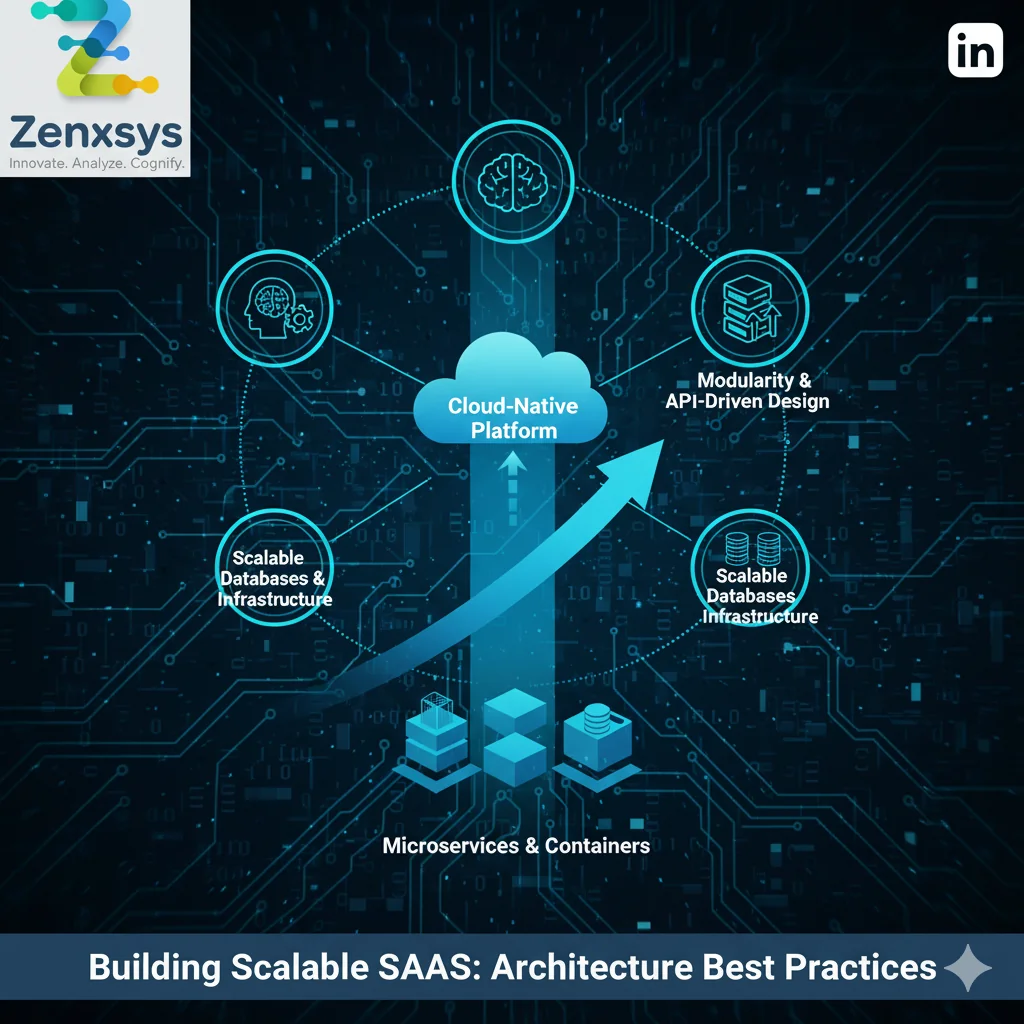
2. Microservices Architecture
Break down your application into independent, loosely coupled services that can be developed, deployed, and scaled independently.
3. Cloud-Native Design
Leverage cloud services for storage, computing, and infrastructure management to enable automatic scaling and high availability.
Scalability Patterns
- Horizontal Scaling: Add more servers to handle increased load
- Database Sharding: Distribute data across multiple databases
- Caching Strategies: Implement multi-layer caching for performance
- CDN Integration: Distribute static content globally
- Load Balancing: Distribute traffic across multiple servers
Performance Optimization
- Implement API rate limiting
- Use asynchronous processing for heavy tasks
- Optimize database queries
- Implement proper indexing strategies
- Monitor and optimize resource usage
Security Considerations
- Implement robust authentication and authorization
- Ensure data encryption at rest and in transit
- Regular security audits and penetration testing
- Compliance with industry standards (SOC 2, GDPR, etc.)
Conclusion
Building a scalable SaaS platform requires a combination of solid architectural principles, modern technologies, and best practices. By following these guidelines, you can create a platform that grows with your business and serves your customers reliably.