World Password Day 2026: a data security leader’s view
World Password Day 2026 lands on May 7.
Most companies will do the usual.
Email reminders. Maybe a short training. A push to “use strong passwords.”
We’ve all done it.
But if I’m being honest, that’s not where the real issue is anymore.
Passwords aren’t failing because people don’t understand them.
They’re failing because we’re still asking them to do too much.
And that gap is getting wider every year.
Where the password model starts breaking
If you’ve spent time inside real environments, you’ve seen this.
Passwords don’t fail in obvious ways.
They fail quietly.
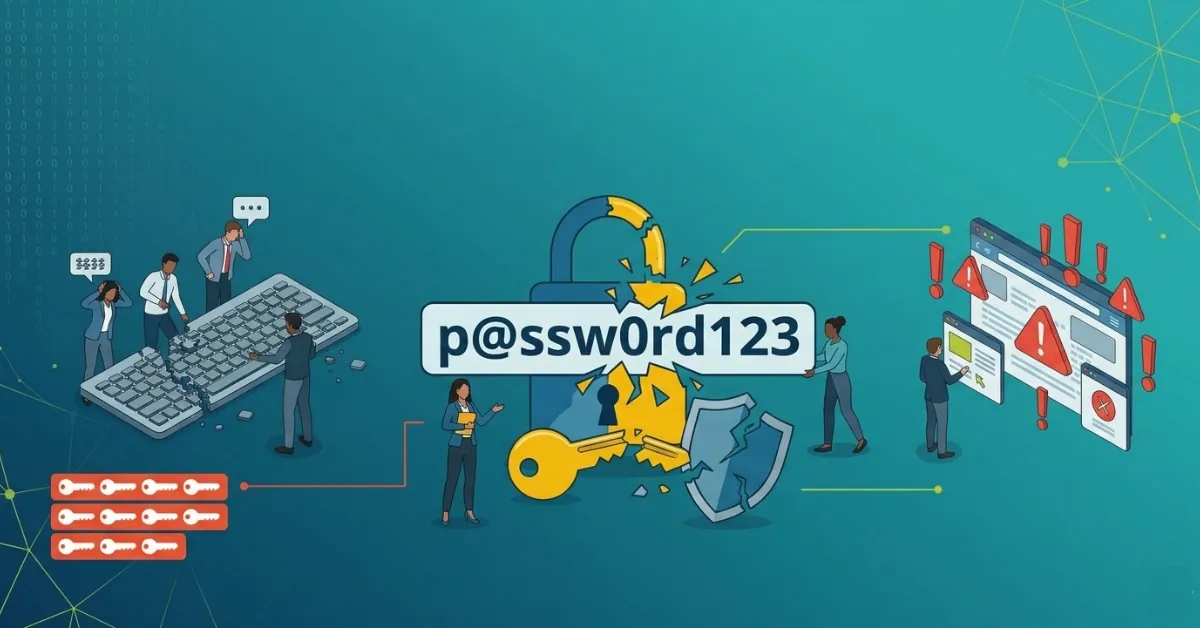
Someone reuses a password across tools because it’s faster.
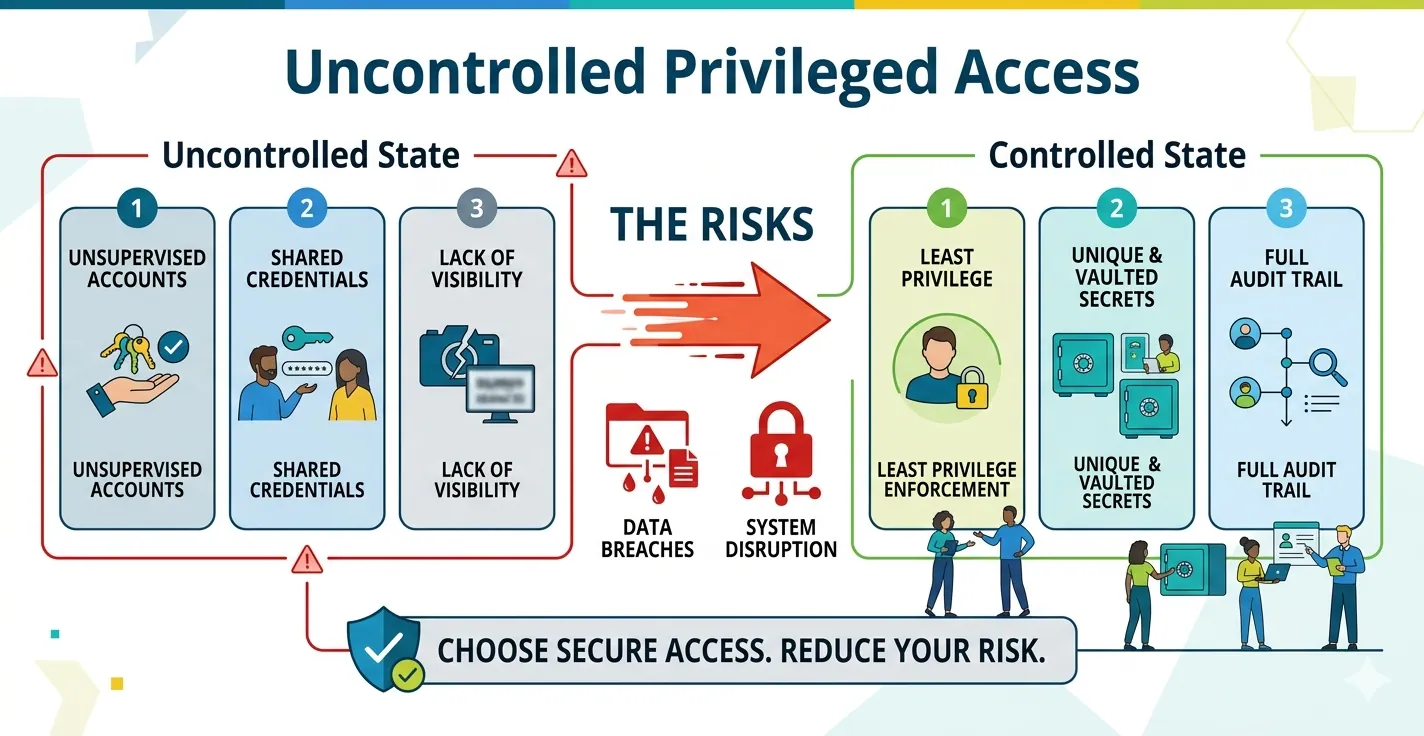
An admin credential gets shared during a late-night incident.
A service account keeps running with more access than anyone intended.
None of this feels like a security failure in the moment.
It feels like getting work done.
That’s the problem.
Because over time, access stops being controlled. It becomes assumed.
And once that happens, passwords stop being protection. They become exposure.
Why password-only security is already behind
There was a time when passwords were enough.
Fewer systems. Fewer users. Clear boundaries.
That time is gone.
Now you’re dealing with:
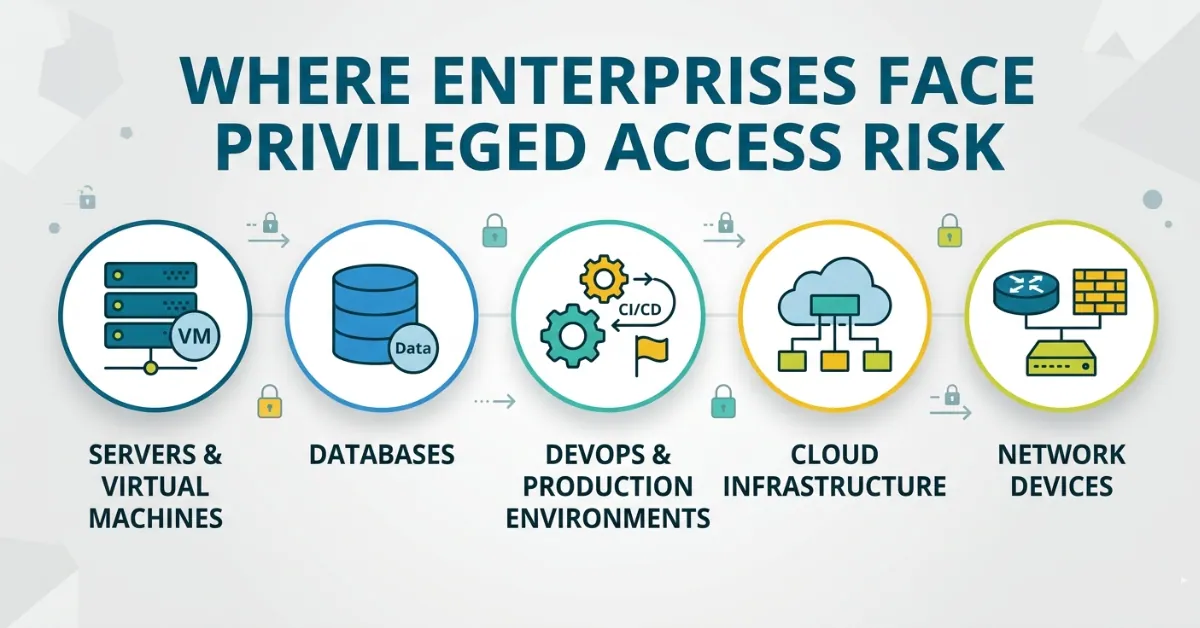
- cloud platforms
- SaaS tools
- APIs
- remote access
- automation and service accounts
Passwords were never built for this.
Even strong passwords don’t hold up when:
- they get reused
- they get phished
- they get logged somewhere they shouldn’t
- they get shared “just for now”
Attackers know this. That’s why they don’t break systems anymore.
They log in.
Most recent breach reports point in the same direction - identity is now the primary attack path. Not infrastructure.
That should tell you everything.
MFA helped. But it didn’t solve the problem
When we pushed MFA across the environment, it made a difference.
It closed obvious gaps. It stopped basic credential abuse.
But it didn’t fix everything.
Because the real issue wasn’t just authentication.
It was access.
I’ve seen environments with MFA still struggle because:
- internal tools were excluded
- service accounts bypassed controls
- access levels were too broad
- permissions were never reviewed
MFA is table stakes now.
If it’s not consistent across your environment, attackers will find the gap.
And there is always a gap.
What changed when we stopped focusing on passwords
The shift didn’t happen when we improved password policies.
It happened when we stopped treating passwords as the core control.
We started asking different questions:
Who actually needs access?
For how long?
What can they do once they’re inside?
That’s when things started improving.
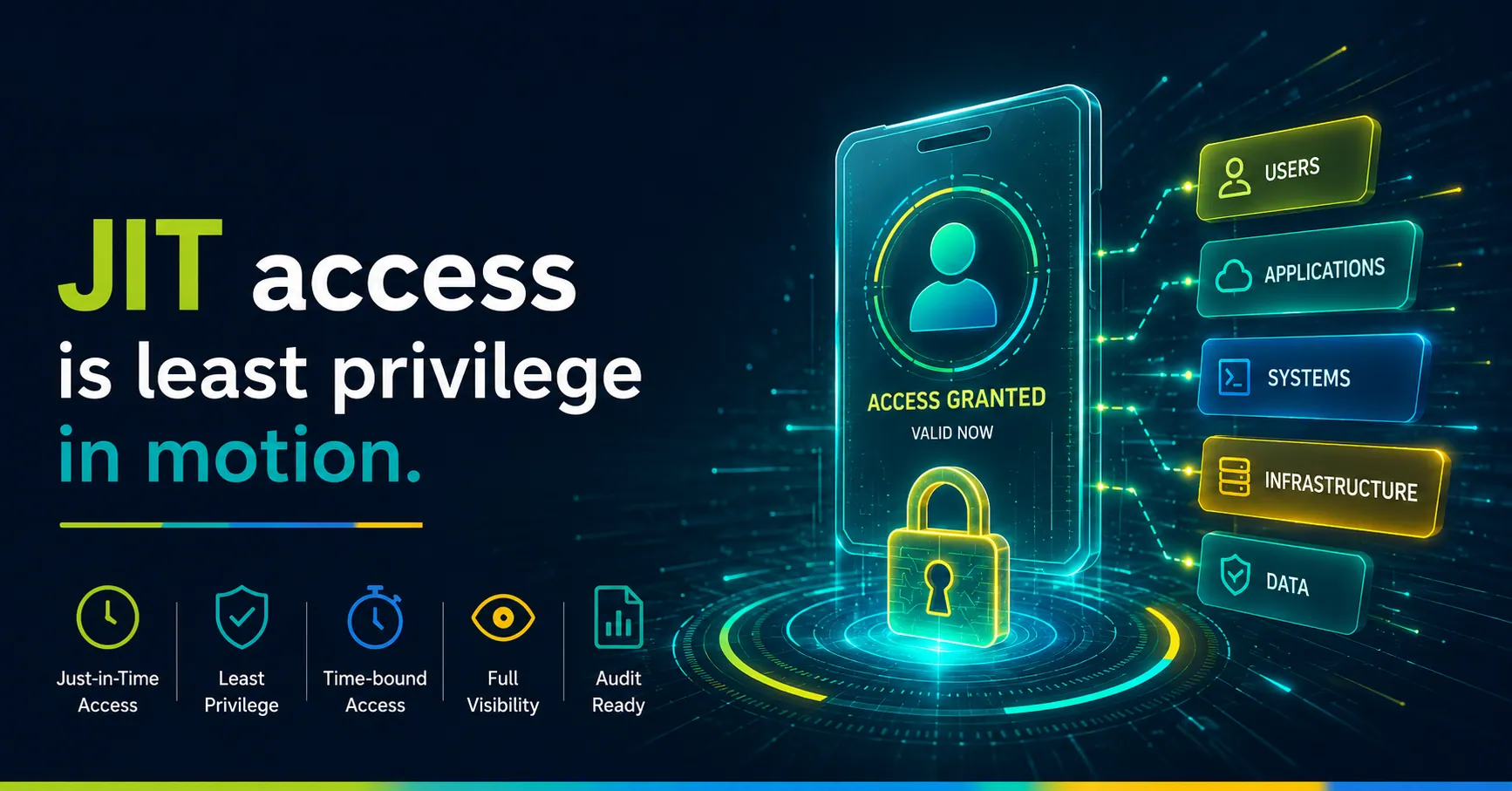
We reduced standing access.
Introduced just-in-time permissions.
Monitored sessions instead of just logins.
And suddenly, the risk surface looked very different.
Because we weren’t just protecting credentials anymore.
We were controlling access.
Zero Standing Privileges in PAM: 2026 Security Shift
I’ve seen this pattern across multiple environments. Mature teams. Strong tooling. Solid budgets. And still, the entry point is almost always the same: standing access that nobody questioned.
SSO didn’t just simplify things. It changed visibility
Rolling out SSO looked like a usability decision at first.
Fewer logins. Less friction. Cleaner experience.
But the real value was visibility.
Once authentication moved to a central layer, we could finally see:
- who was accessing what
- from where
- and how often
It made patterns obvious.
It also made gaps obvious.
SSO didn’t remove passwords completely. But it reduced their sprawl.
And more importantly, it gave us a control point.
That’s where identity security starts to make sense.
Privileged access is where password thinking breaks completely
This is the part most teams underestimate.
You can improve password hygiene across users and still have serious risk sitting in privileged accounts.
Because privileged access behaves differently.
It gets shared more often.
It gets used under pressure.
It’s harder to restrict without impacting operations.
And once exposed, the impact is immediate.
A compromised user account is a problem.
A compromised privileged account is an incident.
We had to rethink how we handled this.
Not just stronger passwords.
But:
- removing permanent access
- limiting permissions aggressively
- tracking every session
- assigning clear ownership
That’s where things started to stabilize.
Passwordless and Zero-Trust aren’t trends. They’re responses
There’s a lot of noise around passwordless and Zero-Trust.
Strip that away, and the direction is actually simple.
Reduce reliance on static credentials.
Validate identity continuously.
Limit access by default.
Passwordless isn’t about convenience.
It’s about removing a weak link.
Zero-Trust isn’t about architecture diagrams.
It’s about not assuming access should exist in the first place.
Once you look at it that way, the shift feels less like innovation and more like correction.
What I’d actually focus on in 2026
If I had to prioritize, I wouldn’t start with passwords.
I’d start with access.
Look at:
- where access exists permanently
- where credentials are shared
- where service accounts operate unchecked
- where MFA isn’t consistently applied
That’s where your risk is.
Not in whether someone used a 12-character password.
But in whether access exists when it shouldn’t.
What World Password Day 2026 should really mean
If World Password Day is just about updating passwords, it’s missing the point.
It should be a checkpoint.
A moment to ask:
Are we still relying on passwords as our primary control?
Or have we started moving beyond them?
Because attackers already have.
Why does World Password Day still matter in 2026?
World Password Day 2026 highlights that passwords remain a major attack surface. Most breaches still involve compromised credentials, making identity security and access control critical.
Is multi-factor authentication (MFA) enough to secure access?
MFA reduces credential theft risk, but it does not control access after login. Strong security requires MFA combined with least privilege, session monitoring, and identity-based access controls.
Are strong passwords still important for password security?
Strong passwords improve basic password security, but they cannot prevent phishing or credential reuse attacks. Modern security needs layered controls beyond passwords.
Why is password reuse a major security risk?
Password reuse allows attackers to access multiple systems using a single compromised credential. Credential stuffing attacks exploit this behavior across cloud and SaaS platforms.
How do passwords relate to privileged access risk?
Privileged accounts rely on credentials to access critical systems. If compromised, they can lead to data breaches, system control, and unauthorized access across environments.
Is passwordless login ready for enterprise use?
Passwordless login is widely adopted for high-risk systems and improves security by removing static credentials. It relies on identity verification methods like biometrics and device-based authentication.
What is identity-centric security in modern enterprises?
Identity-centric security focuses on verifying users continuously based on identity, context, and behavior. It reduces reliance on passwords and strengthens Zero-Trust access models.
What should organizations focus on instead of passwords?
Organizations should focus on identity security, least privilege, just-in-time access, and privileged access management. These controls reduce risk at the access level, not just the credential level.